
Debunking Myths About Energy-Efficient Homes in Florida
Understanding Energy-Efficient Homes
As the demand for sustainable living grows, energy-efficient homes are becoming increasingly popular, especially in states like Florida. However, numerous myths surround these homes, leading to misconceptions about their benefits and practicality. In this article, we'll debunk some common myths about energy-efficient homes in Florida.
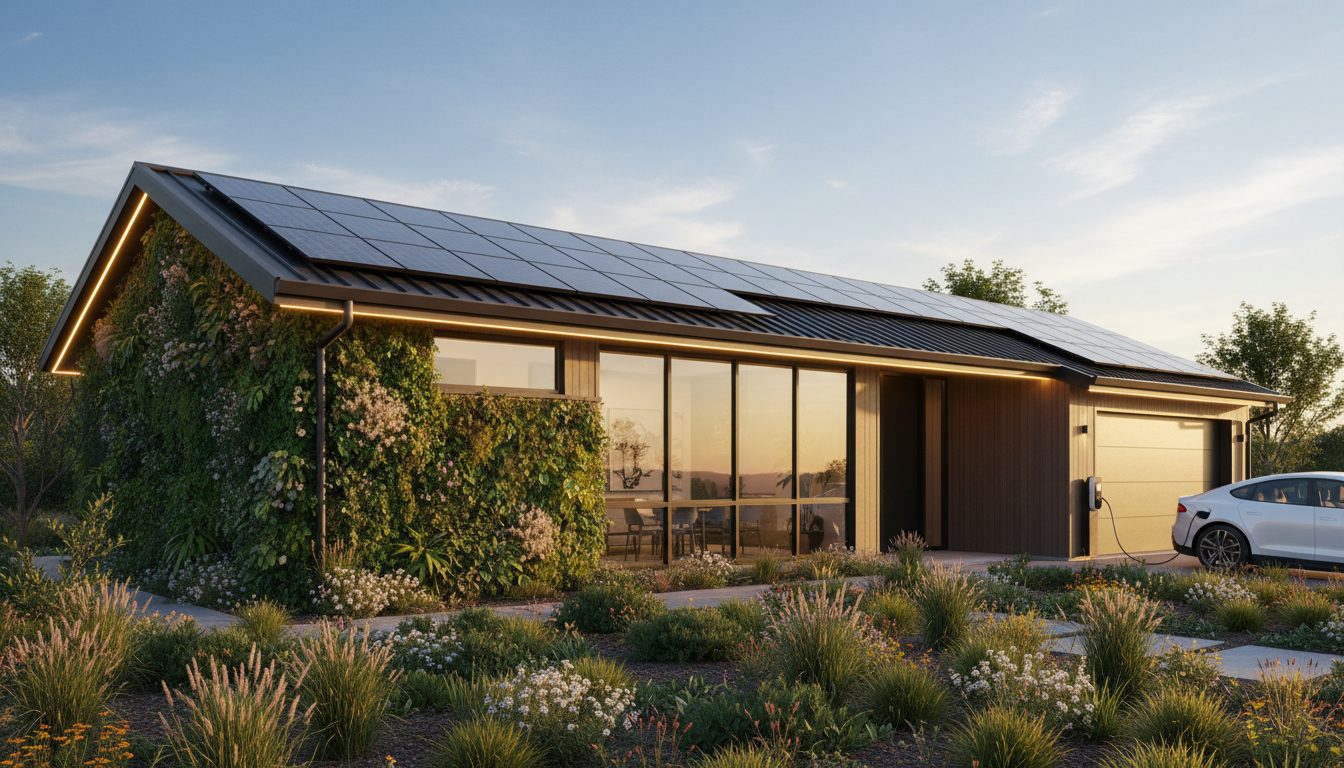
First, it's important to understand what an energy-efficient home entails. These homes are designed to reduce unnecessary energy consumption, greenhouse gas emissions, and demand for nonrenewable resources. They incorporate features like enhanced insulation, energy-efficient windows, and smart home systems.
Myth: Energy-Efficient Homes Are Expensive
One prevalent myth is that energy-efficient homes are prohibitively expensive. While it's true that the initial investment can be higher, the long-term savings on energy bills often outweigh the upfront costs. According to the U.S. Department of Energy, homeowners can save up to 30% on their energy bills with proper efficiency upgrades.
Moreover, numerous incentives and rebates are available to Florida residents, which can significantly reduce the costs of making energy-efficient improvements. Programs like the Property Assessed Clean Energy (PACE) financing make these upgrades more accessible to homeowners.
Myth: Energy Efficiency Is Only About Solar Panels
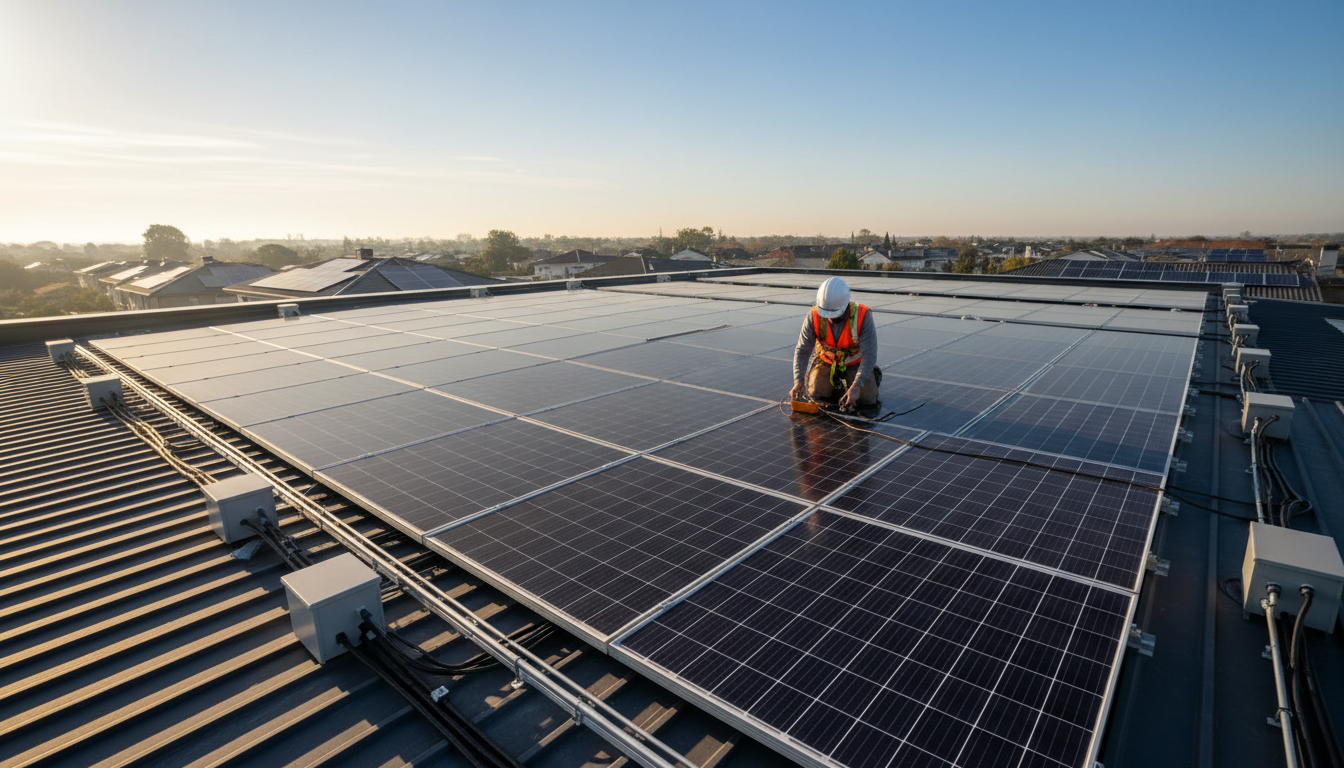
When people think of energy efficiency, they often envision solar panels. While solar energy is a significant component, energy efficiency encompasses much more. It includes optimizing insulation, using energy-efficient appliances, and implementing smart thermostats to reduce energy usage.
In Florida, passive solar design is also a popular concept. This involves designing homes to naturally regulate temperature through strategic window placement, shading, and ventilation systems. These methods can significantly reduce energy needs without relying solely on solar panels.
Myth: Energy-Efficient Homes Are Uncomfortable
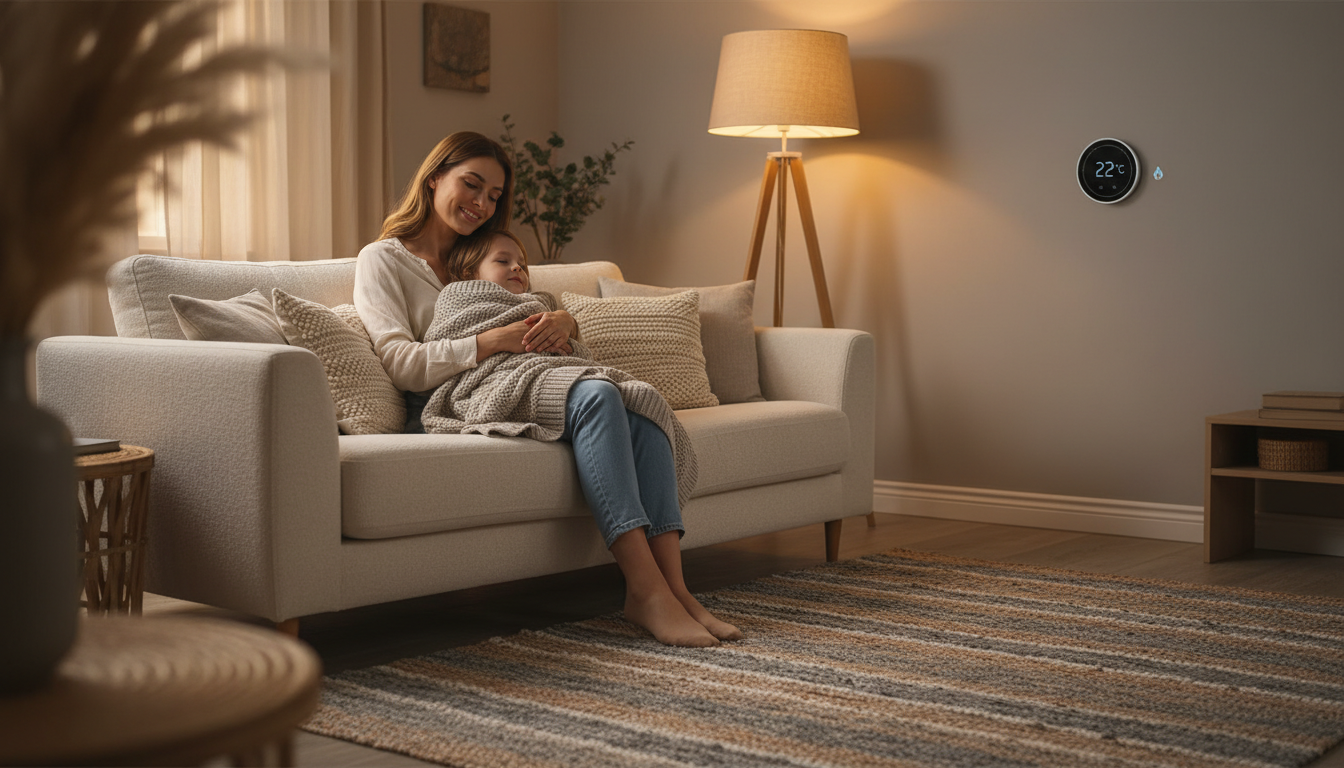
Another misconception is that energy-efficient homes compromise comfort. In reality, these homes often provide a more comfortable living environment. Enhanced insulation and advanced HVAC systems help maintain consistent indoor temperatures, reducing drafts and hot spots.
Additionally, energy-efficient windows and doors help to block out noise and reduce humidity levels, which is particularly beneficial in Florida's humid climate. This means that homeowners can enjoy a quieter, more comfortable indoor environment.
Myth: Energy Efficiency Doesn't Make a Big Difference
Some skeptics argue that individual efforts in energy efficiency don't significantly impact the environment. However, when considered collectively, energy-efficient homes can lead to substantial reductions in carbon emissions and resource consumption.
By reducing energy demand, energy-efficient homes contribute to a decrease in power plant emissions and help conserve water resources. They play a crucial role in building a more sustainable future, especially in a rapidly growing state like Florida.
Conclusion
Debunking these myths is essential for promoting the adoption of energy-efficient practices. By understanding the true benefits and potential of energy-efficient homes, Florida residents can make informed decisions that benefit both their wallets and the environment. Embracing these practices today will lead to a more sustainable and comfortable tomorrow.