
Local Insights: Navigating Tampa's Building Regulations for Home Renovations
Understanding Tampa's Building Regulations
When it comes to home renovations in Tampa, navigating the local building regulations can be a daunting task. The city has specific rules that homeowners must follow to ensure safety and compliance. Understanding these regulations is crucial for a successful renovation project. In this guide, we'll provide insights into Tampa's building regulations to help you plan your renovation smoothly.

Permits and Approvals
Before starting any renovation, it's important to determine whether you need a permit. In Tampa, most significant renovations, such as structural changes or major electrical work, require a permit. Obtaining the proper permits ensures that your project complies with local codes and is safe for occupancy.
To acquire a permit, you'll need to submit detailed plans and specifications to the city's building department. It's advisable to work with a licensed contractor who understands the intricacies of the permitting process and can assist in obtaining the necessary approvals.
Understanding Zoning Laws
Zoning laws in Tampa play a crucial role in determining what you can and cannot do with your property. These laws govern land use and are designed to create a balanced community environment. Before embarking on your renovation, check the zoning regulations applicable to your property to avoid potential conflicts.
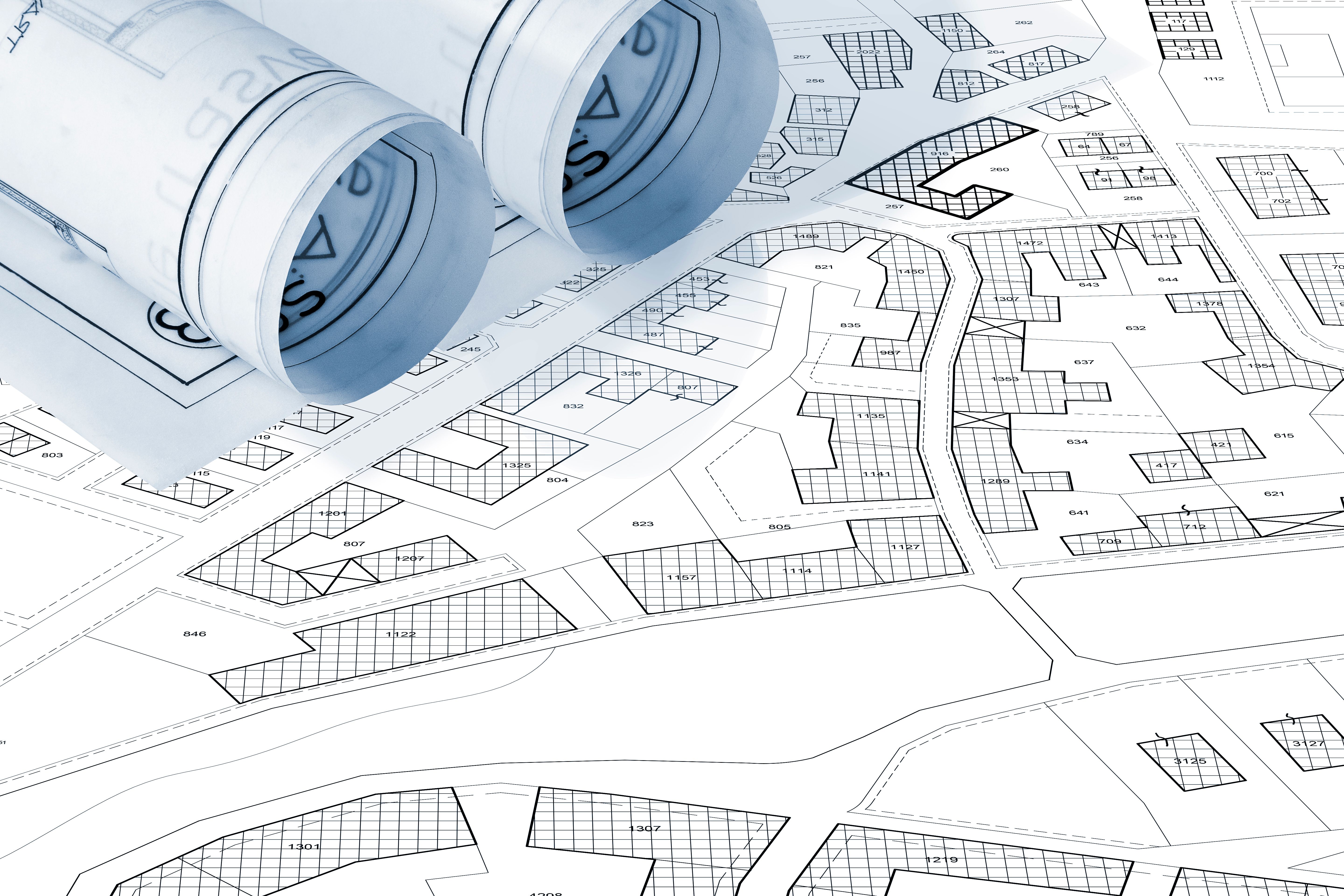
Zoning laws can affect various aspects of your renovation, including the height of structures, setbacks from property lines, and the types of activities permitted on the premises. It's essential to consult with the local zoning office to ensure your plans align with these regulations.
Historic District Considerations
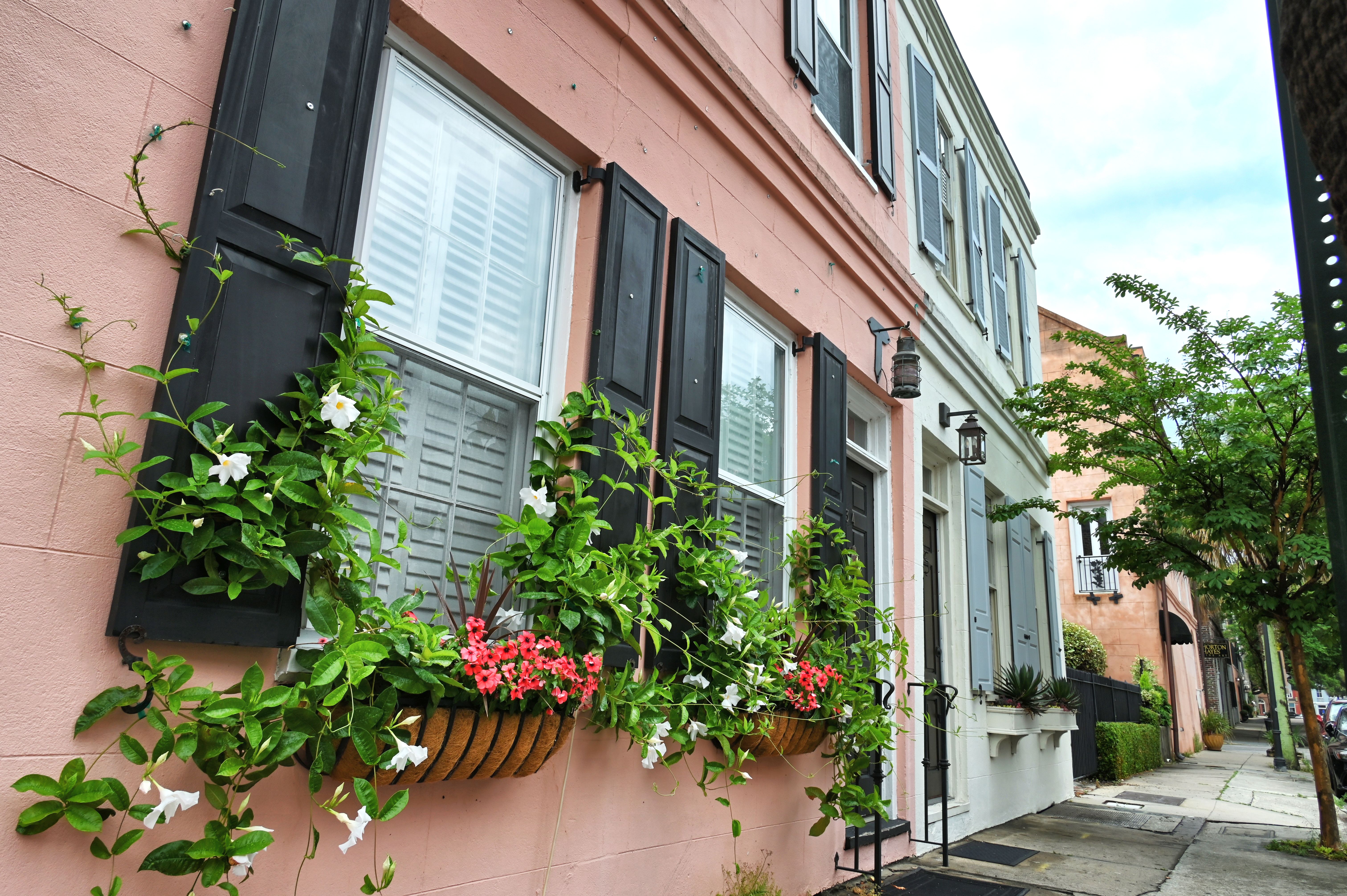
If your home is located in one of Tampa's historic districts, additional regulations will apply. These areas are subject to stricter guidelines to preserve the architectural integrity and historical significance. Renovations in historic districts often require approval from the city's historic preservation board.
When renovating a historic home, consider the guidelines for materials, colors, and architectural features to maintain the character of the area. Engaging with a professional experienced in historic renovations can be invaluable in navigating these unique requirements.
Environmental and Safety Standards
Environmental considerations are increasingly important in Tampa's building regulations. Projects may need to comply with standards for energy efficiency, stormwater management, and sustainability. Following these guidelines not only helps the environment but can also result in long-term cost savings for homeowners.
Furthermore, safety standards such as those for fire protection, structural integrity, and accessibility must be adhered to. These regulations are designed to protect both current and future occupants of the property.
Working with Professionals
Given the complexity of Tampa's building regulations, collaborating with experienced professionals can make the process significantly smoother. Architects, contractors, and legal advisors familiar with local ordinances can provide valuable guidance and ensure compliance throughout your renovation project.

By working with the right team, you can avoid costly delays and modifications, ensuring your renovation is completed on time and within budget. Whether it's understanding zoning laws or obtaining the necessary permits, professional expertise is a worthwhile investment.
Conclusion
Successfully navigating Tampa's building regulations requires careful planning and a thorough understanding of local laws. By staying informed and working with knowledgeable professionals, homeowners can achieve their renovation goals while adhering to all necessary guidelines. With the right approach, your Tampa home renovation can be a rewarding and seamless experience.